
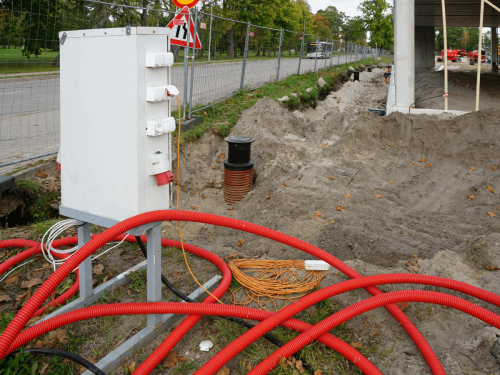
Getting power to a construction site sounds straightforward, but there is quite a bit to organise before the first tool gets plugged in. From working out site power needs to choosing between a temporary grid connection and a generator, early planning can affect safety, access and project timelines. At G&S Industries, we work closely with builders, engineers and project teams that need reliable infrastructure from day one.
What Is a Temporary Power Supply?
On a construction site, temporary power gives workers access to electricity before the permanent electrical installation or permanent electrical connection is ready. It can help run site offices, lighting circuits, power tools, socket outlets and larger equipment such as hoists, pumps or hire equipment.
The setup may include a main switchboard, wiring systems, sub-boards, flexible cords, extension leads and safety protection such as circuit breakers or residual current devices. The exact setup depends on the size of the site, the type of work being completed and the equipment that needs power.
Once the permanent power supply is connected and ready to use, the temporary setup is usually removed. The length of time it takes can vary from project to project, depending on the construction timeline and site requirements.
Why Construction Sites Need Temporary Power
Construction and demolition sites often need power from the early stages of a project. Site offices, amenities, lighting circuits, power tools and safety equipment may all rely on a temporary supply before the permanent electrical connection is ready.
Lighting is also important for safe access, especially in enclosed areas, low-light work zones or below-ground spaces. Larger equipment such as concrete mixers, hoists, pumps and some cranes may also need a reliable power supply to keep work moving.
Delays in getting power connected can slow down trades, affect site access and push back key stages of the project. This is why temporary power planning should be considered early, not left until work is already underway.
Assessing Power Needs on a Construction Site
Before anything is installed, the site’s power requirements need to be worked out. This is usually done by a licensed electrician, electrical contractor or electrical engineer as part of the temporary power setup.
They may look at the electrical equipment being used on site, including power tools, lighting circuits, site offices, hoists, pumps, concrete mixers and other machinery. They will also consider how often different equipment needs to run, whether multiple circuits are required, and whether the site needs single-phase or three-phase power.
For larger construction sites, this may involve preparing a load schedule to help size the temporary supply and check whether the electricity network can support the demand. Requirements differ from site to site, so there is no single setup that works for every project.
Common Sources of Temporary Power for a Construction Site
Grid connection
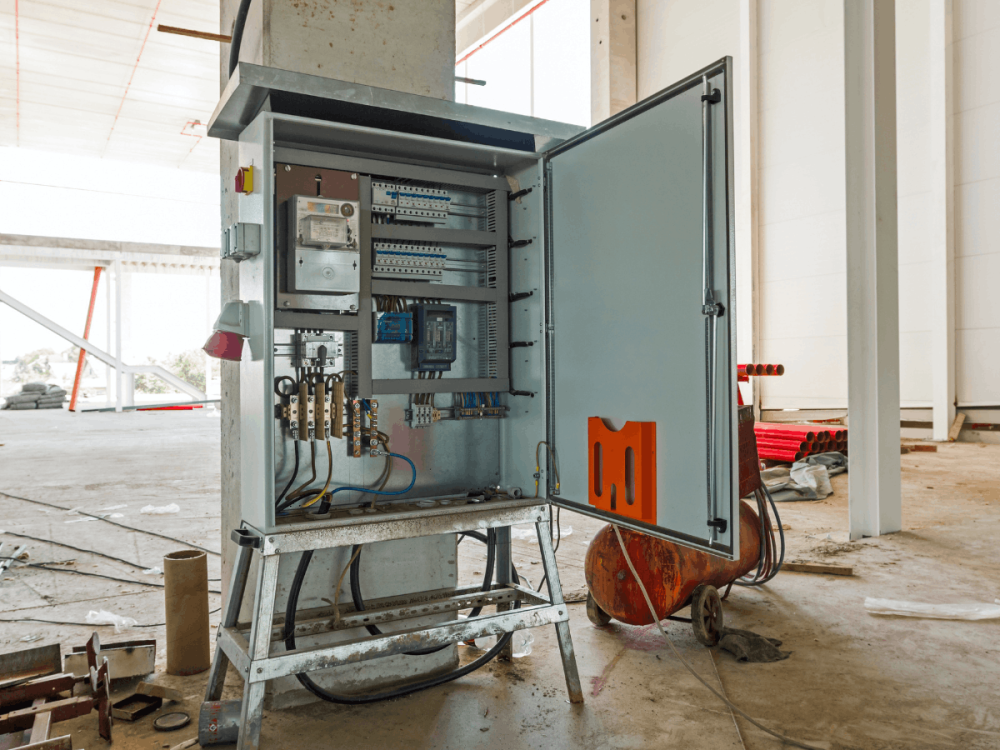
For many Perth metro projects, a temporary connection to the electricity network may be the preferred option where network access is available. This is often used when a construction site needs power before the permanent electrical connection is ready.
In Western Australia, Western Power provides temporary supply for builders and tradespeople who need power where there is no permanent electrical connection. Other states and network providers have their own application processes, so project teams should check the requirements for their location early.
Generators
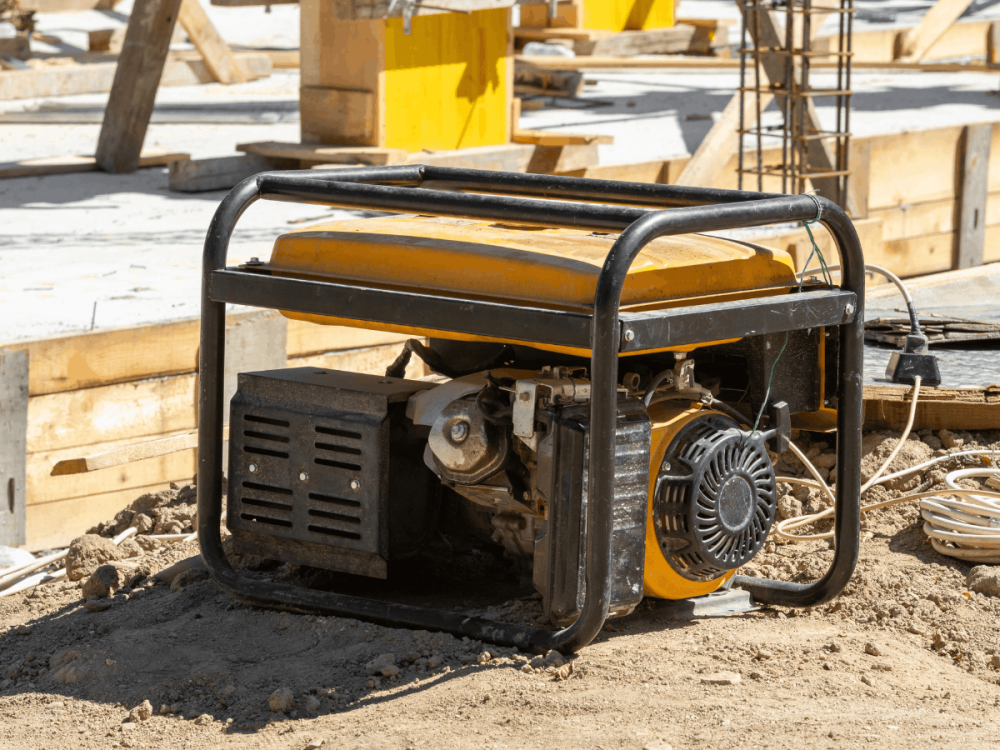
On remote, regional or hard-to-access sites, a grid connection may not always be practical. If the nearest electricity network point is too far away, or if the connection timeframe does not suit the project, a generator may be used to keep work moving during the early stages.
Diesel generators are still common on construction and demolition sites, while hybrid solar-battery units may be considered where fuel use, noise, emissions or sustainability requirements are important.
Generator sizing should be based on the site’s expected running load, start-up demand and the type of equipment being used. This is usually assessed by a licensed electrician, electrical contractor or generator supplier to make sure the temporary supply is suitable for the project.
On some sites, solar poles may also be considered for temporary lighting, security lighting or communications support, especially where a hardwired connection is not practical early in the project.
Hybrid approach
Some sites may use a generator during early works, then switch to a temporary grid connection once the temporary builders supply is approved and connected. This can help keep work moving while the formal connection process is underway.
Where more than one power source is used, the changeover should be planned and managed by a licensed electrician or electrical contractor so the setup remains safe, compliant and suitable for the site.
How Power Is Distributed Around the Construction Site
Once the temporary supply is connected, power needs to be distributed safely to the areas where it is needed. A main temporary switchboard is often positioned in an accessible location, with sub-boards placed around the site to help manage cable runs and keep power close to work areas.
Cables, flexible cords and wiring systems need to be protected from damage, especially in areas where vehicles, machinery or heavy equipment are operating. Depending on the site, cables may need to be raised, routed away from traffic areas or otherwise protected to reduce the risk of damage.
Heavy-duty flexible cords and suitable socket outlets may be used for tools and equipment, but the setup should still be planned as part of the site’s temporary electrical installation. A licensed electrician can help make sure the power distribution is safe, practical and suitable for the work being completed.
Australian Safety and Compliance Standards
Temporary electrical installations on construction and demolition sites need to be planned, installed and maintained with safety in mind. In Australia, AS/NZS 3012:2019 is an important standard for electrical installations on construction and demolition sites, covering areas such as site wiring, switchboards, inspection, testing and equipment requirements.
Common safety considerations can include:
- RCD protection for circuits and socket outlets
- Safe positioning of switchboards and electrical equipment
- Protection for flexible cords, cables and wiring systems
- Regular inspection, testing and tagging of equipment
- Safe access around power lines, overhead lines and underground services
- Use of a licensed electrician for electrical work
For WA construction sites, WorkSafe WA provides guidance on managing electrical risks in the workplace, while Western Power manages temporary supply connections across its network. Requirements can still vary depending on the site, project and connection type, so it is important to check the relevant safety and network requirements early.
Because temporary power is used in active work areas, safety checks should not be treated as a one-off task. Site teams need to maintain equipment, monitor changing site conditions and make sure electrical systems remain suitable as the project progresses.
Why Professional Planning and Installation Matter
Temporary power setup is not a job for an unqualified person. Electrical work should be handled by a licensed electrician or electrical contractor, with the right inspections, documentation and safety checks completed before the supply is energised.
The infrastructure matters too. For some construction sites, power connection poles may be used to support a temporary or staged electrical connection while work is underway. Planning this early can help avoid delays with site access, equipment use and project timelines.
Applications, design documentation, inspection forms and connection details may all need to be in order before power can be connected. Getting this wrong or leaving it too late can delay key stages of the project.
What Goes Wrong With Poor Temporary Power Planning
Poor planning can create problems across the whole construction site. If the temporary supply is undersized, circuit breakers may trip, tools may not run properly, and site productivity can be affected.
Cable management can also become a safety issue. Flexible cords, extension leads and wiring systems need to be protected from damage, especially around vehicles, machinery, accessways and active work zones. Missing RCD protection, damaged leads, poor earthing or untested equipment can all create serious safety and compliance risks.
The location of the temporary supply also matters. If switchboards, cables or supporting infrastructure need to be moved mid-project because they were not planned properly from the start, this can add extra cost, delay trades and disrupt site access.
Planning Your Site’s Power Infrastructure
Before temporary power is set up, it helps to understand what type of power pole may be needed for the connection and how it will fit into the site layout. Getting the physical infrastructure right from the outset can make the rest of the process smoother.
Whether you are planning a metro infill project or a larger regional development, the basics are similar. You need to understand the site load, choose the right supply source, allow safe access, use suitable equipment and involve a licensed electrician from the start.
If your construction site needs reliable pole infrastructure for temporary power, G&S Industries can help with engineered steel pole solutions designed for Australian conditions. Through our project services, we can support pole design, manufacture, installation and maintenance requirements for different project types. Speak with our team early to discuss your project requirements and make sure the right infrastructure is considered from the start.
Frequently Asked Questions
AS/NZS 3012:2019 is an important Australian Standard for electrical installations on construction and demolition sites. It covers areas such as switchboards, RCD protection, wiring systems, inspection, testing and electrical equipment requirements.
Yes. Temporary electrical installation work should be completed by a licensed electrician or electrical contractor. Depending on the site, state requirements and network provider, inspections or documentation may also be needed before the supply can be energised.
Timeframes can vary depending on the location, network provider, application process and whether the required documentation has been submitted correctly. It is best to check with the relevant electricity network provider early so temporary power can be planned around the project timeline.
Yes. A generator may be a practical option for remote, regional or hard-to-access sites where a grid connection is not available or does not suit the project timeline. Some construction sites may also use a hybrid approach, starting with a generator before switching to a temporary grid connection.
A non-compliant temporary power setup can create safety risks, delay work and lead to compliance issues. In some cases, the relevant regulator or site authority may require work to stop until the issue is fixed. This is why temporary power should be planned, installed, tested and maintained properly from the start.