
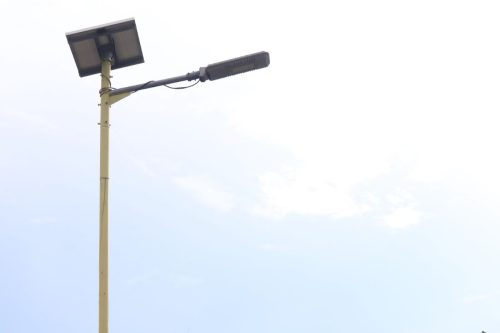
Article Highlights
- Multifunction poles combine LED lighting, 5G connectivity, CCTV, sensors and community infrastructure in a single galvanised steel structure, reducing streetscape clutter and whole-of-life costs.
- Purpose-built designs offer modular upgrades, concealed cable management and compliance with AS/NZS structural and lighting standards, making them more reliable than retro-fitted columns.
- Choosing an Australian manufacturer ensures wind-region engineering, local standards compliance and fast nationwide delivery for council and contractor projects.
How a Multifunction Pole Differs from a Standard Light Pole
A traditional street light pole does one job: it holds a luminaire and gets power to it. Simple, reliable, proven. A multifunction pole takes that foundation and builds in the capacity to host multiple services on the same structure.
Think of it as the difference between a single-purpose tool and a Swiss Army knife. The multifunction version is engineered from the start to carry extra loads, route separate cable runs, provide lockable access doors and accommodate future upgrades without requiring a new pole.
That means you can mount LED lights, small-cell 5G antennas, CCTV cameras, Wi-Fi access points, environmental sensors, emergency call buttons and even EV charging outlets on one galvanised steel column. You’re not bolting aftermarket brackets onto something that wasn’t designed for the weight or wind load. Everything is planned, certified and compliant with Australian Standards before it leaves the factory.
Core Functions You Can Combine in One Pole
Smart Lighting
Modern smart streetlight poles do more than switch on at dusk. Integrated LED luminaires can be dimmed remotely, scheduled by zone and linked to motion sensors to save energy without compromising safety. Councils get real-time fault reporting, so maintenance crews know exactly which light needs attention before a resident calls it in.
Connectivity (Wi-Fi, 5G Small-Cell)
Telecom carriers are rolling out small-cell nodes to fill coverage gaps and boost 5G capacity in high-traffic areas. A multifunction pole offers a ready-made mounting point with concealed cable paths and separate power circuits, so the antenna installation doesn’t interfere with lighting or other services. Public Wi-Fi modules can sit alongside, turning your streetscape into a connected corridor for pedestrians and businesses.
Security & Safety (CCTV, Emergency Call Points)
CCTV-ready poles integrate camera brackets, cable ducts and power tails that meet police and transport authority specs. Emergency help-points with audio intercoms and flashing beacons can be factory-fitted, giving vulnerable users a visible lifeline in car parks, transit hubs and late-night precincts.
Community Add-Ons (Banner Arms, EV Charging, Sensors)
Councils love banner arm options for events, wayfinding and local branding. Air-quality and noise sensors feed data into smart-city dashboards, helping planners track pollution hotspots and traffic flow. EV charge points turn kerbside parking into charging infrastructure without needing a separate bollard. All of this hardware shares the same pole, the same foundation and the same maintenance schedule.
Key Design Considerations for Australian Projects
Structural & Wind Loading Requirements
Australia’s wind regions stretch from calm inland zones to cyclonic coastlines. A multifunction pole carrying antennas, cameras and banners in Wind Region D needs heavier wall thickness, deeper embedment and higher-grade galvanising than a basic light pole in Region A.
We engineer every pole to AS/NZS 1170.2 wind loading and AS/NZS 1158 lighting performance standards. That includes terrain category adjustments, combined load cases and fatigue checks for banner flutter. You receive certified design drawings and a pole schedule that your certifier can sign off without queries.
Cable Management & Future Upgrades
One of the biggest pain points with retrofitted poles is cable spaghetti. Power for lights, low-voltage data for cameras, fibre for telecom and sensor feeds all need to be separated, labelled and accessible.
A purpose-built multifunction pole includes internal cable channels with snap-in dividers, separate entry glands and lockable hand-hole doors at service height. When you need to add a new device in three years, the electrician opens the door, clips in the cable and closes it again. No angle-grinder, no conduit runs up the outside, no compliance headaches.
Finish Options & Streetscape Aesthetics
Galvanised steel is tough, but it doesn’t always suit heritage precincts or coastal promenades. Powder-coat finishes in council-specified colours (muted greys, coastal whites, bushland greens) let the pole blend into its surroundings. Decorative fluting, tapered profiles and colour-matched banner arms keep the streetscape looking cohesive, even when the pole is doing five jobs at once.
New Installation vs Retro-Fitting: Which Delivers Better Value?
If you’ve got a streetscape full of old concrete columns, the temptation is to bolt on brackets and call it done. Sometimes that works for a single camera or a temporary banner. But when you’re planning a smart precinct with lighting upgrades, telecom nodes and sensor networks, retrofitting quickly hits its limits.
Existing poles weren’t designed for combined wind loads. Adding a 5G shroud and two cameras might push the structure past its rated capacity, triggering expensive re-certification or replacement anyway. Cable entry is an afterthought, so you end up with surface-mount conduit that looks messy and gets damaged by maintenance vehicles.
A new multifunction pole gives you clean cable paths, certified load capacity for everything you’re mounting today and headroom for tomorrow’s upgrades. You avoid the stop-start coordination of multiple contractors working around legacy gear, and you get a single warranty covering the whole installation.
For greenfield subdivisions, new town centres and staged precinct upgrades, purpose-built smart poles are the straightforward choice. For retro-fits, it’s worth getting a structural assessment before you commit. Sometimes replacing ten ageing columns with five well-located multifunction poles delivers better coverage, lower maintenance and a cleaner streetscape for less than you’d spend patching up the old ones.
Choosing a Trusted Australian Manufacturer
Multifunction poles aren’t an off-the-shelf commodity. Every project has different wind regions, mounting heights, device schedules and council aesthetic requirements. That’s why working with a local manufacturer who understands Australian conditions, standards and approval processes makes a tangible difference.
At G&S Industries, we’ve been fabricating galvanised steel poles in Perth since 1968. We design each pole to your site’s wind region and terrain category, provide certified engineering drawings, and deliver anywhere in Australia with lead times that keep your project on schedule.
We also offer easy-maintenance mid-hinged designs for sites where elevated work platforms are impractical, and full turnkey packages covering design, supply, installation and preventive maintenance if you need a single point of contact.
If you’re planning a smart streetscape upgrade or a new subdivision with integrated services, get in contact with our team today. We’ll help you spec the right multifunction pole for your lighting requirements, device schedule and budget, then deliver it ready to install.
Frequently Asked Questions
Internal cable channels use snap-in dividers to keep mains power, low-voltage data and fibre runs physically separated. Separate entry glands and labelled terminations meet AS/NZS 3000 wiring rules and make future maintenance straightforward.
Lockable hand-hole doors at service height (typically 1.5 to 2 metres) let technicians access terminations, swap modules and run new cables without a crane or elevated work platform. Mid-hinged poles offer full lowering access where required.
It depends on the pole's age, material and current load. Older concrete or timber columns often lack the spare capacity for antennas and cameras. We recommend a structural assessment before retro-fitting. In many cases, replacing with a purpose-built multifunction pole is safer, faster and more cost-effective.